Join the Investment
Other Details
Description
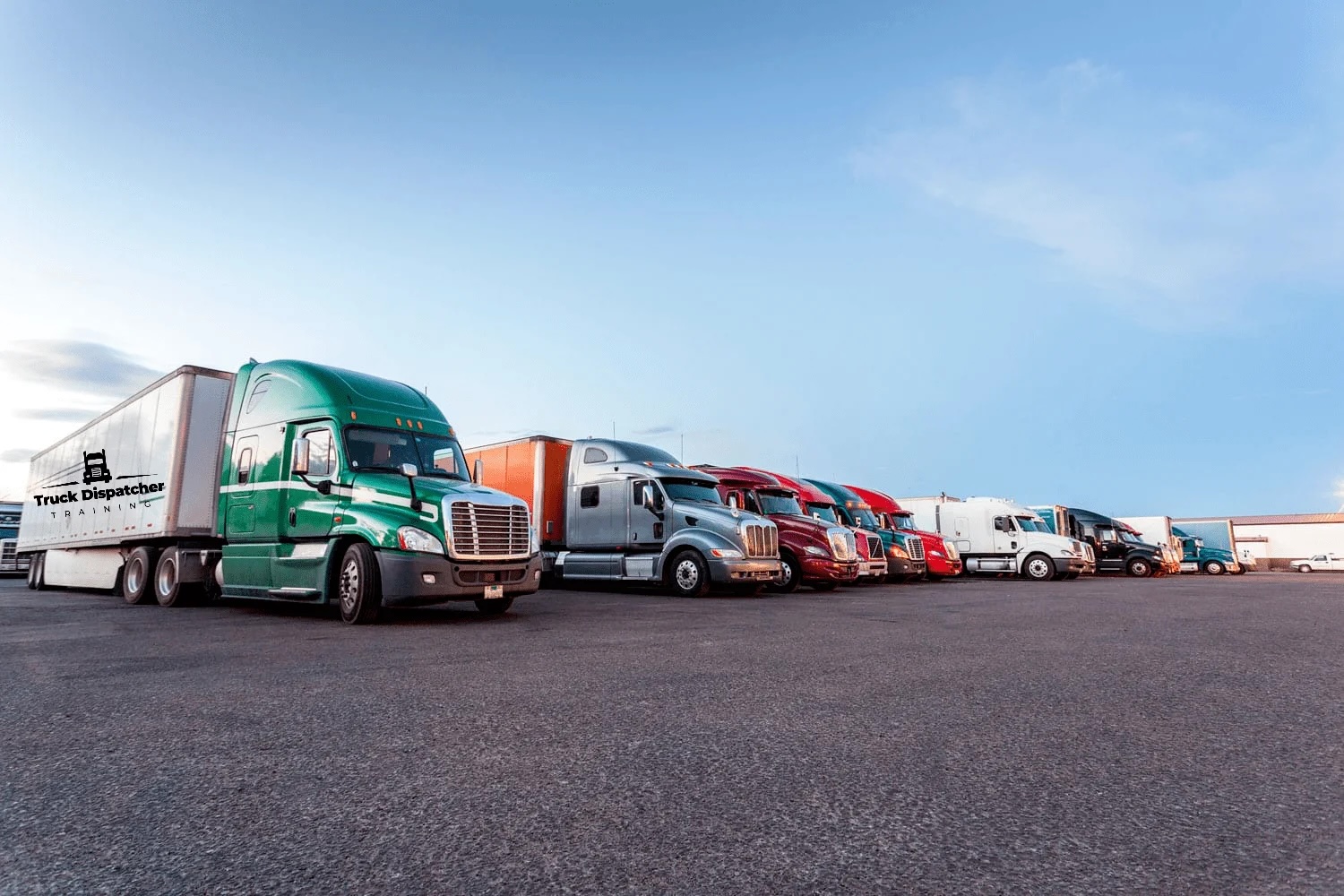
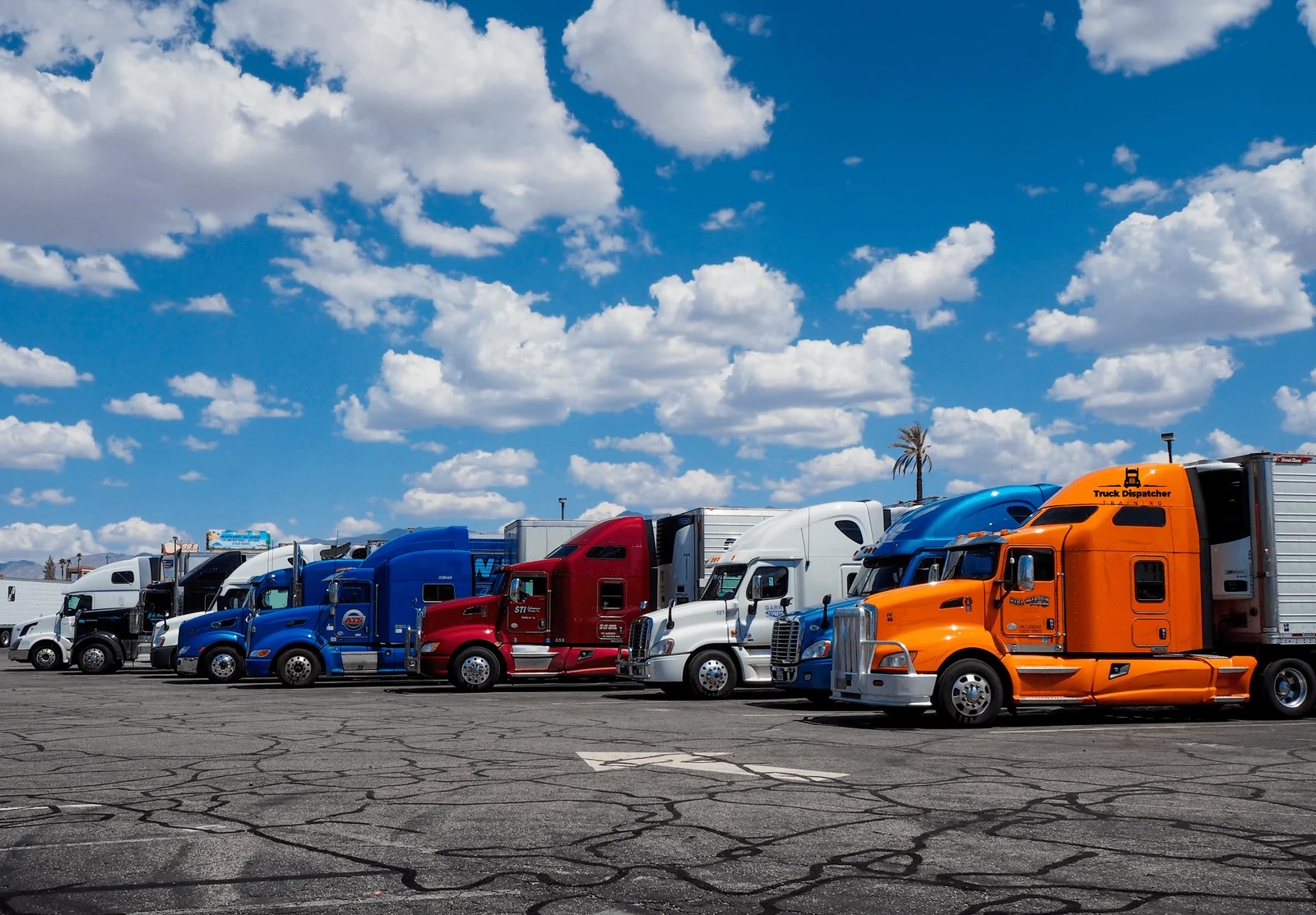
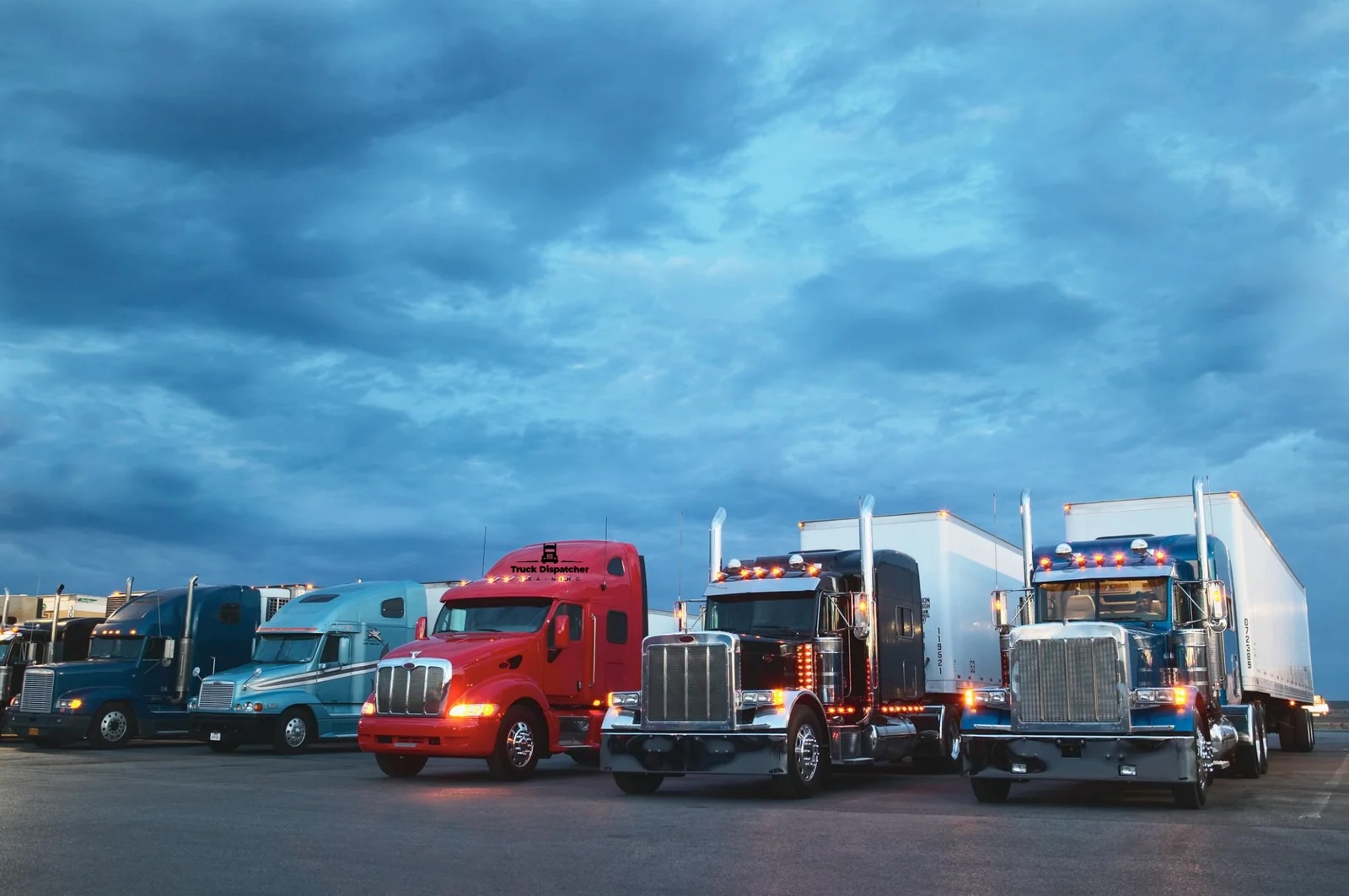
This project involves the purchase and active commercial use of a semi-trailer, with an estimated upfront investment of $67,000, to generate consistent income by fulfilling freight orders. Unlike passive rental models, this approach relies on direct participation in the logistics market: the trailer owner either operates through a carrier or partners with an independent contractor who takes freight orders via dispatch platforms. Given the high and sustained demand for trucking services in the U.S., along with a persistent shortage of trailers and tractors, this model allows for quick deployment and high turnover of invested capital.
The financial model assumes steady trailer utilization over a 5-year period, with a projected decline in gross revenue starting in year 3 due to natural wear and increasing maintenance needs. Estimated annual gross revenue in the first two years is $21,600, gradually decreasing to $16,800 by year five. Basic operating costs include scheduled maintenance such as oil changes, averaging $1,100 per year. The estimated payback period is approximately 3 years and 3 months, not including additional costs such as insurance, unscheduled repairs, or downtime. To mitigate operational risks, the project emphasizes preventive maintenance, insurance coverage, and engagement only with reputable freight dispatch platforms. This opportunity is well-suited for an investor seeking entry into the U.S. trucking market with a low capital threshold and a transparent, proven business model.
FAQs
Freight is sourced through leading U.S. logistics platforms such as DAT, Convoy, Uber Freight, and others, as well as through dispatchers who provide access to consistent lanes. Platform selection depends on the region and the type of freight being moved.
The U.S. freight market shows stable, high demand—especially in industries like retail, construction, and distribution. The key to consistent income lies in maintaining reliable access to a driver, choosing the right freight lanes, and partnering with trustworthy dispatch or load board services.
Main risks include equipment breakdowns, idle time, and driver unavailability. These are mitigated through regular preventative maintenance, financial reserves for unexpected expenses, and working with vetted logistics networks that ensure timely and paid loads.
Gallery